

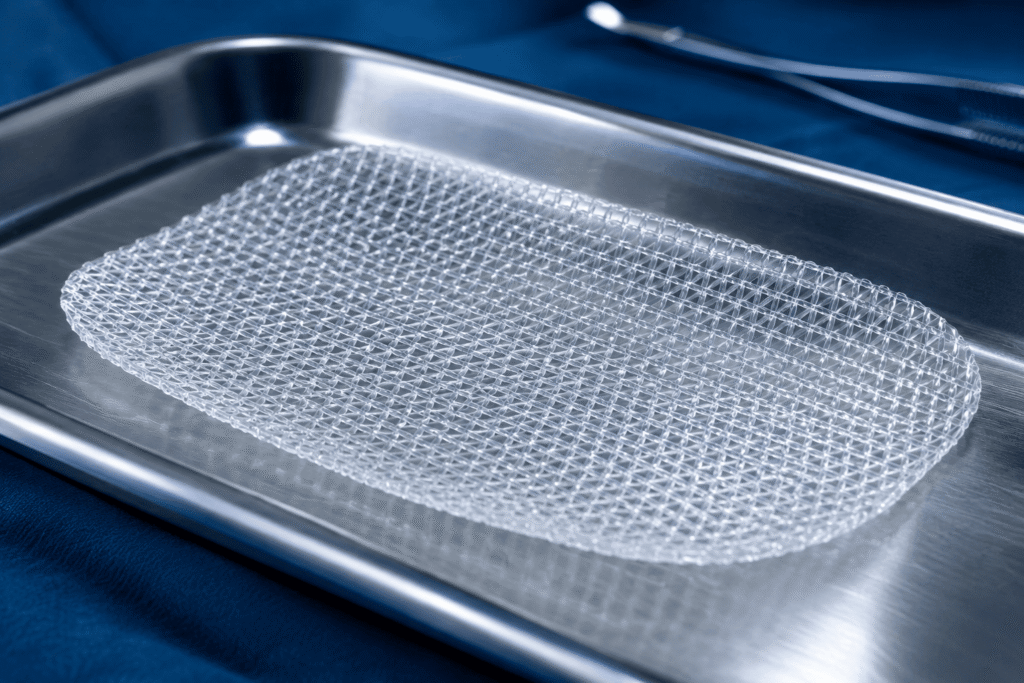
Hernia Mesh Lawsuit Rules: Understanding Revision Surgery & Timeframe Criteria
If you experienced a bowel obstruction or bowel resection following hernia surgery, you want immediate answers. When reviewing your eligibility, legal intake specialists focus heavily on two primary criteria: the original date of your implant and the documentation of a secondary corrective procedure.
- ✔ Hernia Mesh Implanted After Jan 1, 2016
- ✔ Documented Revision Surgery (2018 or Later)
- ✔ Polypropylene, Polyester, or ePTFE based hernia mesh
- ✔ Objective Severe Complications (Bowel obstruction / Resection / Adhesion)
Qualification Rules That Apply
The 2016 Implant Cutoff
Many hospitals do not retain medical records for over 10 years. Therefore, your hernia mesh must have been implanted after January 1, 2016. This cutoff directly reflects hospital record retention laws.
The Revision Surgery Mandate
You must have already undergone a distinct secondary surgery (or have one formally scheduled) to remove, replace, or repair the defective mesh implant.
Severe Complications Threshold
Qualifying physical injuries must be documented by your surgeon, such as mesh migration, organ perforation/erosion, bowel obstruction, bowel resection, or a deep tissue abscess.
Material Compatibility Requirements
Attorneys focus on meshes made of permanent synthetic polymers, specifically polypropylene, polyester, and expanded polytetrafluoroethylene (ePTFE / Gore-Tex).
Legal Exclusions Matrix
Claims cannot be processed if the initial implant occurred when the patient was a minor (under 18 years old), as permanent synthetic meshes are clinically contraindicated for individuals who are still growing.
Rule #1: The “Implanted After 2016” Record Timeline
The single most frequent question encountered is why older implants (such as those from 2010) often do not qualify. The answer is determined by institutional hospital record retention policies.
Under standard medical data regulations, most hospitals do not retain individual medical device tracking logs, operative notes, or product sticker pages for more than 7 to 10 years. Because claims are litigated years after surgery, finding complete documentation for implants performed prior to 2016 is exceedingly rare. In court, the burden of proof rests on establishing the exact corporate device used; if identification logs have been lawfully destroyed, a lawsuit cannot be successfully initiated.
Rule #2: The Objective Revision Surgery Requirement
To successfully pursue compensation, documented proof of damages in your medical records is necessary. While chronic abdominal pain is deeply disruptive, pain alone without imaging or a revision surgery to determine the source is insufficient.
A documented revision surgery—either open or laparoscopic—where the surgeon documents issues with the hernia mesh provides the objective evidence required to link injury to product failure. Conversely, experiencing discomfort without a physician’s recommendation for revision does not meet the baseline criteria to initiate a lawsuit.
Hernia Mesh Litigation Status & Attorneys
Active federal claims remain centralized under MDL No. 2846 (In re: Davol Inc./C.R. Bard Polypropylene Hernia Mesh) in the U.S. District Court for the Southern District of Ohio, and MDL No. 3029 against Covidien (Medtronic) in the District of Massachusetts. As verified on the Judicial Panel on Multidistrict Litigation (JPML Tracker), thousands of lawsuits are advancing through settlement administration and scheduled trial calendars.
You do not need to know the specific brand name of your mesh to start your case file. If you meet the 2016 cutoff and have undergone or scheduled a revision surgery, our legal team will handle retrieving your complete medical records. Explore our full Lawsuit List to check additional active environmental and pharmaceutical case statuses.
Do You Qualify for a Hernia Mesh Lawsuit?
Call Now: 1-888-612-8313