

Spinal Cord Stimulator Lawsuit: Shock, Migration & Burn Claims (2026)
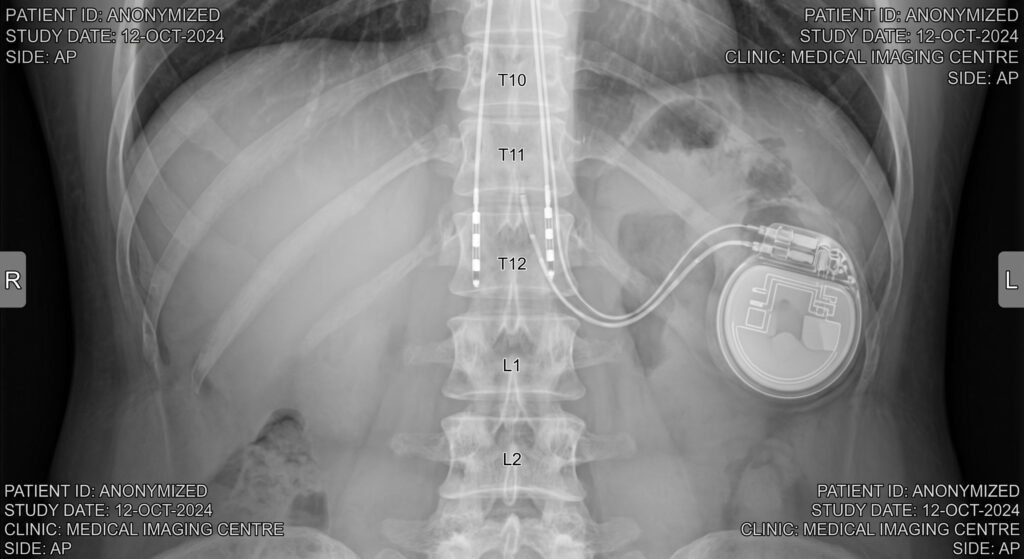
Spinal cord stimulators (SCS) are implanted medical devices marketed as a last line of defense for chronic back, neck, and nerve pain. By delivering mild electrical currents directly to the spinal cord, they are intended to interrupt pain signals before they reach the brain.
However, thousands of patients across the United States have contracted severe, life-altering injuries after receiving these high-risk implants. At TheLawFirm.com, our attorneys are actively evaluating product liability claims and tracking major federal litigation addressing defective hardware, firmware glitches, and manufacturing flaws across the neurostimulation industry.
2026 Legal Milestone: Federal MDL No. 3181 Established
The legal landscape for spinal cord stimulators escalated significantly with centralized judicial action:
Boston Scientific MDL Formed
On June 5, 2026, the Judicial Panel on Multidistrict Litigation (JPML) officially approved the centralization of federal lawsuits against Boston Scientific, creating MDL No. 3181 (In re: Boston Scientific Corporation Spinal Cord Stimulator Products Liability Litigation).
The Core Complaint: Plaintiffs allege that medical device manufacturers utilized regulatory “shortcuts” to push major hardware and firmware design modifications onto the market without performing new, rigorous safety testing.
Major Manufacturers Facing Lawsuits
Product liability lawsuits are actively moving forward in state and federal courts against the four dominant corporations in the neurostimulation market:
Boston Scientific
Centralized in MDL No. 3181, lawsuits target devices like the Spectra WaveWriter system due to severe lead migration, anchor failures, and unprovoked electrical shocks.
Abbott Laboratories (St. Jude Medical)
Claims focus on models like the Proclaim XR and Proclaim Plus, where patients report sudden battery depletion, failure to deliver therapy, or aggressive marketing practices despite poor trial results.
Medtronic
Lawsuits target the Intellis LT and older rechargeable systems. Filings accuse Medtronic of pushing hundreds of post-approval modifications through regulatory loopholes without updating risk disclosures.
Nevro
Claims involve the Nevro HF10 systems, alleging overstimulation of nerves that control critical internal organ rhythms.
Severe Complications and Device Defects
Data compiled in federal adverse event reporting through the U.S. Food & Drug Administration (FDA) Safety Communications indicates that spinal cord stimulators account for some of the highest numbers of medical device injury reports in the nation. Current litigation addresses several severe mechanical failures:
Lead Migration & Wire Displacement
The thin wires delivering electrical impulses shift away from surgical placement in the epidural space, causing loss of pain relief or shooting electricity into sensitive, untargeted areas.
Unintended “Shock” Episodes
Device logs document unexplained system resets and massive, spontaneous surges of electricity that patients describe as feeling like an internal electrocution.
Internal Battery Overheating & Burns
Malfunctioning battery packs overheat inside tissue “pockets,” causing severe internal burning sensations and localized tissue necrosis.
Severe Infection & Nerve Damage
Surface cracks allow bacterial harbor, leading to severe systemic infections or CDC-monitored Sepsis and spinal abscesses. Component displacement can compress spinal cord tissue, leading to permanent paralysis.
Do You Qualify to File a Claim?
If you or a loved one had a neurostimulator implanted to manage chronic pain but suffered a major medical setback, you may have grounds for a product liability claim.
- › Lead Migration or Wire Displacement
- › Unintended Severe Electrical Shocks or System Resets
- › Internal Battery Overheating, Tissue Burns, or Necrosis
- › Required Revision Surgery or Complete Device Extraction (Explantation)
- › Severe Spinal Infection, Abscess, Permanent Nerve Damage, or Paralysis
Federal Preemption & Strict Filing Deadlines
Medical device manufacturers aggressively attempt to dismiss claims using the “federal preemption” defense. However, current lawsuits demonstrate that manufacturers pushed unapproved post-market hardware and software alterations without updating risk disclosures. Because state statutes of limitations strictly limit filing deadlines, early legal evaluation is critical to preserve your rights.
Get a Free, Confidential Case Evaluation
If you or a loved one suffered severe electrical shocks, tissue burns, lead displacement, or required revision surgery due to a defective spinal cord stimulator, contact TheLawFirm.com today.
- United States Judicial Panel on Multidistrict Litigation (JPML). Order Centralizing MDL No. 3181: In re Boston Scientific Corp. Spinal Cord Stimulator Products Liability Litigation.
- U.S. Food and Drug Administration (FDA). Medical Device Safety Communications & Adverse Event Reporting for Spinal Cord Stimulators.
- Centers for Disease Control and Prevention (CDC). Clinical Guidance for Sepsis Identification and Treatment.
- Abbott Neuromodulation. Important Safety Information for Implantable Neurostimulation Systems.